Authorized BellyFlush Retailer2 capsules at bedtime – 60 per bottle365-day money-back guaranteeLot BF-26/WB-2208
Buy BellyFlush
Ingredients

BellyFlush Ingredients: The 11 Herbs, One by One

Written and reviewed by the BellyFlush Editorial DeskLast updated 8 min read
Quick answer

BellyFlush lists 11 herbal ingredients in each 2-capsule serving.

They include cascara sagrada, cape aloe, senna, triphala, fennel seed, bentonite clay, marshmallow root, licorice, slippery elm, cayenne and milk thistle. Senna, cascara and aloe are stimulant laxatives.

Read how the herbs work overnight.

At a glance

What are the 11 BellyFlush ingredients?

Every name below comes from the brand's own ingredient list, in the order shown on this page.

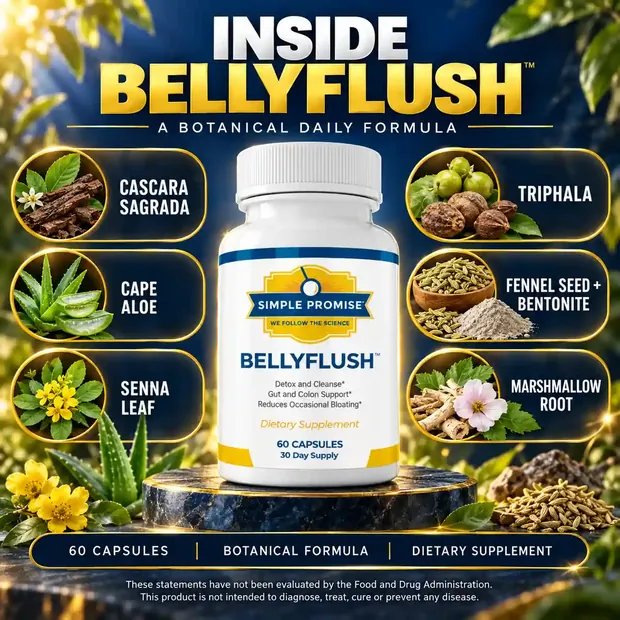
Inside BellyFlush graphic showing cascara sagrada, cape aloe, senna leaf, triphala, fennel seed with bentonite, and marshmallow root around the bottle
The brand's “Inside BellyFlush” graphic shows six of the 11 herbs. It gives names only, with no amounts.

BellyFlush lists 11 botanical ingredients. We sort them into four groups by what they are known for: three stimulant laxatives, two gentle digestive herbs, two soothing fibers, and four others.

The brand names each ingredient but does not publish how much of any of them is in a capsule. So this page explains what each one is and what published sources say about it. It does not guess at doses.

  • 11 ingredients
  • 3 stimulant laxatives
  • 0 amounts published
  • 2 capsules per serving

All 11 BellyFlush ingredients at a glance, grouped by role

IngredientGroupWhat it isSource checked
Cascara Sagrada barkStimulant laxativeAged bark of a Pacific Northwest treeFDA 2002, LiverTox
Cape Aloe leafStimulant laxativeBitter leaf latex of a South African aloeFDA 2002, NCCIH
Senna leaf extractStimulant laxativeLeaf of the senna shrubMedlinePlus, LiverTox
Triphala fruitGentle digestiveThree dried Ayurvedic fruitsPeterson 2017
Fennel seedGentle digestiveKitchen spice seedPortincasa 2016
Marshmallow rootSoothing fiberSlimy root of a meadow plantLactMed
Slippery Elm barkSoothing fiberInner bark of an elm treeLiverTox
Bentonite clayOtherVolcanic mineral clayFDA 2016
Licorice root extractOtherSweet root extractNCCIH
Cayenne pepper fruitOtherDried hot pepperNo source checked
Milk Thistle seedOtherSeed of a thistle flowerNCCIH
Group 1

The three stimulant laxative herbs in BellyFlush

These three herbs are the working core of the formula. All three contain anthraquinones, plant compounds that stir the colon to move.

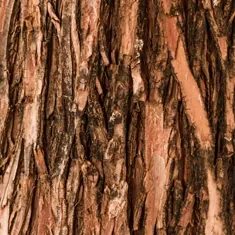
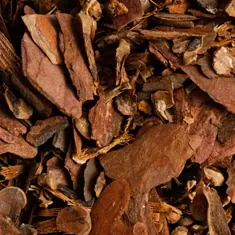
Dried cascara sagrada bark chips
Stimulant laxative herb

Cascara Sagrada bark

Cascara sagrada is the dried bark of a buckthorn tree that grows along the Pacific coast of North America. Its name is Spanish for “sacred bark.”

Its anthraquinones prompt the colon wall to push stool along. FDA ruled in 2002 that cascara is not generally recognized as safe and effective as an OTC laxative, because the safety data it asked for never arrived (FDA, 2002).

Case reports link it to liver injury that mostly cleared after stopping (LiverTox, Cascara).
Close-up of clear aloe leaf gel
Stimulant laxative herb

Cape Aloe leaf

Cape aloe is a tall aloe from South Africa. The part used as a laxative is the bitter yellow latex under the leaf skin, not the clear gel.

That latex is a strong anthraquinone laxative. FDA removed aloe from OTC laxatives in the same 2002 rule (FDA, 2002).

NCCIH notes oral aloe latex can cause cramps and diarrhea (NCCIH, Aloe vera).

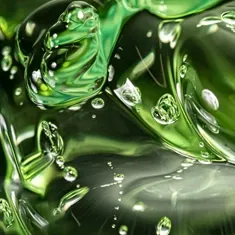
Green plant extract liquid with bubbles, standing in for senna leaf extract
Stimulant laxative herb

Senna leaf extract

Senna is a shrub whose leaves and pods hold sennosides. Senna is still sold as an OTC laxative in drugstores.

MedlinePlus says not to use senna for more than 1 week without a doctor, and that frequent use can lead to dependence (MedlinePlus, Senna).

LiverTox lists it as a rare cause of liver injury, usually after months of heavy use (LiverTox, Senna).

The senna photo is a green plant extract used as a stand-in. Read how these three act overnight on the how BellyFlush works page.

Group 2

The gentle digestive herbs: triphala and fennel

Both have a long kitchen and folk-medicine history for easier digestion. Their evidence is lighter than for senna.

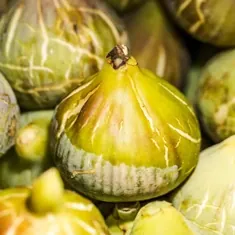
Pale green fruits, standing in for the three triphala fruits
Ayurvedic fruit blend

Triphala fruit

Triphala is an Ayurvedic mix of three dried fruits: amalaki, bibhitaki and haritaki. It has been used in India for centuries.

A 2017 review describes its traditional use as a mild laxative and suggests it may act partly through gut bacteria. The authors say human evidence is limited (Peterson et al., 2017).

As a traditional laxative, it adds to the loosening effect of the blend.

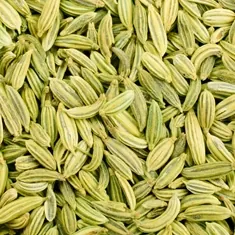
Close-up of fennel seeds
Carminative seed

Fennel seed

Fennel seed is the licorice-flavored spice used in sausage and after-dinner mixes. Cooks have long used it to ease gas.

In one trial, capsules of fennel oil plus curcumin lowered bowel symptom scores more than placebo (Portincasa et al., 2016). That study used an oil blend, not fennel seed alone.

Fennel is an everyday food spice, and it is one of the milder items in the blend.

Group 3

The soothing fibers in BellyFlush capsules: marshmallow root and slippery elm

These two plants are rich in mucilage, a soft gel-forming fiber. In a laxative blend they are often added to cushion the gut.

Peeled marshmallow root pieces
Mucilage root

Marshmallow root

Marshmallow root comes from a plant that grows in wet meadows. The root swells into a slippery gel when it meets water. That gel is called mucilage.

Herbalists use it to coat and calm the throat and gut. FDA lists it as generally recognized as safe in food amounts, and adults tolerate it well (LactMed, Marshmallow).

Because it forms a gel, ask a pharmacist how far apart to take it from your medicines.

Close-up of slippery elm tree bark
Mucilage bark

Slippery Elm bark

Slippery elm is the inner bark of a North American elm. Like marshmallow, it turns into a smooth gel with water.

It has long been used for sore throats and upset stomachs. LiverTox reports no published cases of liver injury from slippery elm (LiverTox, Slippery elm).

It is one of the gentlest items on the list.

Group 4

The other four BellyFlush ingredients: clay, licorice, cayenne and milk thistle

These four do not fit neatly into one group. Each has its own story and its own safety note.

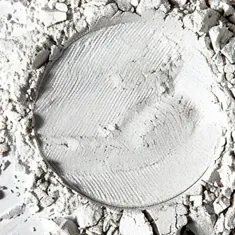
Pressed white bentonite clay powder
Mineral clay

Bentonite clay

Bentonite is a clay formed from volcanic ash. Cleanse blends use it because clay can bind other substances.

There is little human research on swallowing it. In 2016 FDA warned about lead found in one bentonite clay product (FDA, 2016). That warning covered one brand only.

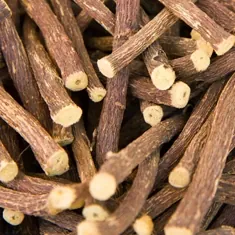
Dried licorice root sticks
Root extract

Licorice root extract

Licorice root gives a sweet taste and has a long history in digestive teas.

Its compound glycyrrhizin can raise blood pressure and lower potassium, according to NCCIH (NCCIH, Licorice root). People with heart or kidney disease should ask a doctor first.

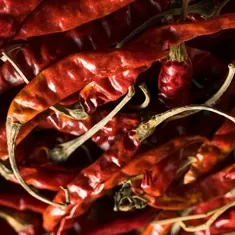
Dried red cayenne peppers
Spice

Cayenne pepper fruit

Cayenne is dried hot red pepper. Its heat comes from capsaicin.

Folk cleanse recipes add it to “warm” the gut. We did not find a source for its role in a laxative blend, so we make no claim. Spicy food upsets some stomachs.

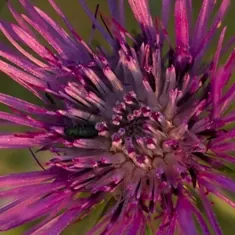
Purple milk thistle flower
Seed extract

Milk Thistle seed

Milk thistle is a purple-flowered thistle. The formula uses the seed, not the flower in the photo.

It is popular for liver wellness, but NCCIH says there is not enough good evidence to draw conclusions. It can cause bloating, nausea and gas (NCCIH, Milk thistle).

Honest analysis

Why BellyFlush ingredient amounts matter, and what is missing

The biggest gap in the BellyFlush ingredient list is the amounts. No Supplement Facts panel with milligrams was supplied, so we cannot compare a serving with what studies used or with drugstore senna.

That matters most for the three laxative herbs. Their strength depends on the dose. Two capsules could hold a gentle amount or a strong one, and the label we have does not say.

BellyFlush ingredient facts: known and not published

What we knowWhat we do not know
The 11 ingredient namesMilligrams of any ingredient
Serving: 2 capsulesSennoside or anthraquinone content
60 capsules per bottleCapsule shell and other ingredients
Bedtime directionsWho makes it and where
Do it yourself

How to check the BellyFlush ingredients on your own bottle

When your bottle arrives, the label is the final word. These four checks take about two minutes.

  1. Find the Supplement Facts box

    It sits on the side of the label. Look for the serving size and a list of names with amounts next to them.

  2. Look for a proprietary blend

    If you see one total weight for a group of herbs, the single amounts are hidden. Note the total anyway.

  3. Read “Other ingredients”

    This line shows the capsule shell and fillers. It matters if you avoid gelatin or have allergies.

  4. Find the warnings

    Laxative products usually carry a caution about pregnancy, children and long use. Follow the label if it differs from this site.

Our BellyFlush Supplement Facts guide walks through each line of a real panel.

FAQ

BellyFlush ingredients questions

How many ingredients are in BellyFlush?

BellyFlush lists 11 ingredients. Three are stimulant laxative herbs: cascara sagrada bark, cape aloe leaf and senna leaf extract. The other eight are triphala, fennel, bentonite clay, marshmallow root, licorice root extract, slippery elm, cayenne and milk thistle.

How much senna is in each BellyFlush capsule?

That number is not published. No Supplement Facts panel with amounts was supplied for BellyFlush, so nobody outside the maker can say how much senna, cascara or aloe one serving holds. Read the panel on your bottle when it arrives.

Which BellyFlush ingredient does most of the work?

The three anthraquinone herbs (senna, cascara sagrada and cape aloe) are the ones that make the bowel move. The other herbs are there for comfort, tradition or general wellness. Without amounts, we cannot say which of the three is the largest.

Is there caffeine or a stimulant for energy in BellyFlush?

No caffeine source is on the ingredient list. The word “stimulant” here means a stimulant laxative, which acts on the colon wall. It is not an energy stimulant like coffee.

Is BellyFlush gluten free or vegetarian?

The brand shows gluten-free, dairy-free and vegetarian seals. The capsule shell and other ingredients are not published, so check the panel on your bottle if you have an allergy or a strict diet.

Why does BellyFlush contain clay?

Bentonite clay is a traditional “binding” ingredient in cleanse blends. Its role in this formula is not explained by the brand. FDA once warned about lead in one bentonite product sold to be swallowed; that warning did not name BellyFlush.

Are the BellyFlush ingredients natural?

All 11 come from plants or a mineral clay. Natural does not mean mild, though. Senna, cascara and aloe are strong laxatives, and licorice can affect blood pressure. Treat the formula with the same care as any laxative.

Ready to try BellyFlush?

Order from the U.S. authorized merchant, keep your order email, and you are covered by the 365-day money-back guarantee. Questions first? Call +1 (800) 390-6035.

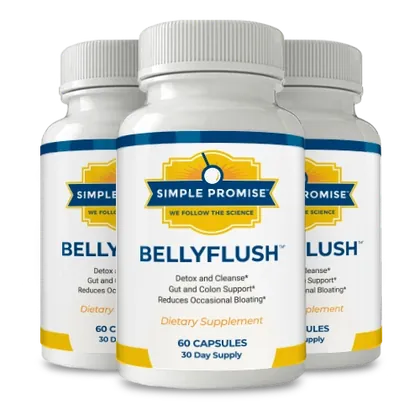
Three bottles of BellyFlush, a 90-day supply
BellyFlush60 capsules · 2 at bedtime · 365-day money-back guarantee · from $33 a bottle
Add To Cart