Does BellyFlush Contain Laxatives? Senna, Cascara and Cape Aloe Explained
Yes. BellyFlush lists three stimulant laxative herbs: senna leaf extract, cascara sagrada bark and cape aloe leaf. They make the colon contract, usually within 6 to 12 hours. FDA ruled in 2002 that aloe and cascara are not generally recognized as safe and effective as OTC laxatives. Senna labels say not to use it for more than 1 week without a doctor.
Does BellyFlush contain laxatives?
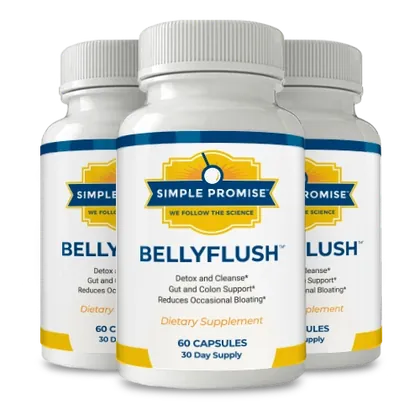
Yes. BellyFlush lists three herbs that work as stimulant laxatives: senna leaf extract, cascara sagrada bark and cape aloe leaf. All three contain natural compounds called anthraquinones. These compounds make the colon push stool along faster.
The other eight ingredients are gentler plants, a fruit blend and a clay. Still, the three laxative herbs drive the effect most people notice. It is the effect that shows up the morning after a bedtime dose.
The brand does not publish how much of each herb is in a capsule. No Supplement Facts panel with amounts was supplied. So we can name the laxatives, but we cannot say how strong the dose is next to a drugstore product.
- Laxative herbs
- Senna leaf extract, Cascara Sagrada bark, Cape Aloe leaf
- Type
- Anthraquinone stimulant laxatives
- Amount per capsule
- Not published
- Directions
- 2 capsules 20–30 minutes before bed with 8 oz. of water
- Usual onset
- 6–12 hours for stimulant laxatives
You can see all 11 names on the BellyFlush ingredients page.
What are senna, cascara sagrada and cape aloe in BellyFlush ingredients?

Senna leaf extract
From the leaves of the senna plant. Senna is the active ingredient in many U.S. over-the-counter laxatives, and it is the best studied of the three.
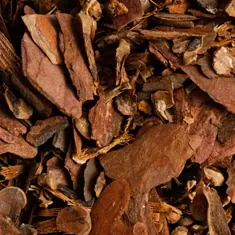
Cascara sagrada bark
Dried bark of a buckthorn tree from the Pacific Northwest. The name is Spanish for “sacred bark.” The bark is aged before use because fresh bark is harsh on the gut.

Cape aloe leaf
Bitter latex from Aloe ferox, an aloe native to South Africa. It is not the clear gel used in skin creams, which comes from the inner leaf.
All three herbs were folk laxatives long before modern drugs. They share the same basic chemistry, so their effects stack. Today senna is still sold as an over-the-counter drug. Aloe and cascara are not, for reasons covered further down.
How do the stimulant laxatives in BellyFlush capsules work?
Stimulant laxatives act on the large intestine, also called the colon. They do not work in the stomach, and they do not stop your body from absorbing food. Here is the path a bedtime dose takes.
Swallowed at bedtime
The anthraquinone compounds pass through the stomach and small intestine mostly unchanged. A sugar molecule attached to them keeps them inactive.
Unlocked by gut bacteria
In the colon, gut bacteria cut off the sugar part. That frees the active form of the compound right where it will work.
The colon wall reacts
The active form irritates the lining and triggers stronger muscle waves. It also makes the colon hold on to more water instead of absorbing it.
A bowel movement follows
Softer stool moves faster. This usually happens 6 to 12 hours after the dose, which is why the directions time it for bedtime.
This also explains the most common complaint. Cramping happens because the colon is being pushed to squeeze harder than usual. Loose stools and urgency can follow, most often on the first nights.
The brand's own summary of the formula is on how BellyFlush works.
What else is in BellyFlush besides the laxative herbs?

BellyFlush lists eight more ingredients. Most are old kitchen or folk remedies with a softer role.
- Triphala fruit. An Ayurvedic blend of three dried fruits. It has traditional laxative use, but human evidence is limited (Peterson et al., 2017).
- Fennel seed. A classic after-meal seed used for gas.
- Marshmallow root and slippery elm bark. Both are rich in mucilage, a gel-like fiber that coats the gut.
- Bentonite clay. A mineral clay that swells when it meets water.
- Licorice root extract, cayenne and milk thistle. A root, a spice and a seed extract that round out the blend.
What did the FDA decide about aloe and cascara laxatives in 2002?
In May 2002, FDA issued a final rule on several over-the-counter laxative ingredients (FDA, 2002). It ruled that aloe and cascara sagrada are not generally recognized as safe and effective as OTC laxative ingredients. The reason was simple. FDA had asked makers for safety data, and none was sent.
So laxatives sold as drugs can no longer use aloe or cascara. The rule did not ban the herbs. They can still appear in dietary supplements, which follow different rules. FDA does not approve supplements before they are sold (U.S. FDA, Dietary Supplements Q&A).
What the ruling means for a buyer
- It is not proof the herbs are dangerous. It means their safety was never shown to FDA's drug standard.
- Senna was not part of that ruling. It is still sold in OTC laxatives.
- A supplement with aloe or cascara, such as BellyFlush, has not passed the drug review that OTC laxatives go through.
NCCIH adds that aloe latex taken by mouth can cause cramps and diarrhea (NCCIH, Aloe vera).
How long can you take BellyFlush, and can laxatives cause dependence?

Senna labels say not to use it for more than 1 week without talking to a doctor. MedlinePlus also warns that frequent use can make you dependent on laxatives (MedlinePlus, Senna).
The BellyFlush directions call for a nightly dose, and the sales page sets no time limit. That gap matters. Since the capsule holds senna plus two related herbs, the one-week rule is a sensible limit to follow.
What dependence looks like
With frequent use, some people find they cannot have a bowel movement without a laxative. Long-term misuse can harm bowel function and drain water and electrolytes such as potassium (MedlinePlus, Laxative overdose).
LiverTox also lists rare liver injury reports. Most followed months of long or heavy use, and most cleared after stopping (LiverTox, Senna; LiverTox, Cascara).
How does BellyFlush compare with other laxative types?
Five common laxative types. The three BellyFlush laxative herbs sit in the stimulant row.
| Type | Examples | How it works | Typical onset | Best suited to |
|---|---|---|---|---|
| Bulk-forming fiber | Psyllium, methylcellulose | Soaks up water and adds bulk to stool | 12–72 hours | Everyday regularity |
| Osmotic | Polyethylene glycol, magnesium hydroxide | Draws water into the bowel | 30 minutes to 3 days, by product | Short-term relief |
| Stool softener | Docusate | Lets water mix into hard stool | 12–72 hours | Avoiding straining |
| Stimulant | Senna, bisacodyl; the three BellyFlush herbs | Makes colon muscles squeeze harder | 6–12 hours | Short-term use when other steps fail |
| Lubricant | Mineral oil | Coats stool so it slides | 6–8 hours | Rare, short-term use |
NIDDK suggests starting with fiber, fluids and activity, with 22 to 34 grams of fiber a day for adults. It advises stimulant laxatives only if constipation is severe or other treatments have not worked (NIDDK, Constipation treatment).
For a wider look at cleanse products, read the colon cleanse guide.
Who should avoid BellyFlush?
BellyFlush is meant for healthy adults 18 and over. Because it holds three stimulant laxatives, some people should skip it or talk to a doctor first.
- Anyone under 18.
- Pregnant or nursing women.
- People with bowel obstruction, inflammatory bowel disease or unexplained belly pain.
- People with high blood pressure, heart disease or kidney disease. Licorice can raise blood pressure and lower potassium (NCCIH, Licorice root).
- Anyone who takes medicine. Ask a doctor first and take other medicines apart from the dose.
- Anyone who already uses laxatives often.
The full list is on BellyFlush side effects. If you do try it, start with one bottle to learn how your body reacts. The colon cleanse myths post explains what a laxative cleanse can and cannot do.
BellyFlush laxative questions
Does BellyFlush contain laxatives?
Yes. It lists three stimulant laxative herbs: senna leaf extract, cascara sagrada bark and cape aloe leaf. The amount of each is not published. So you cannot compare the dose with a drugstore senna product.
How long after taking BellyFlush will I need the bathroom?
Stimulant laxatives usually work within 6 to 12 hours. That is why the sales page says to take 2 capsules 20–30 minutes before bed. Timing varies from person to person.
Can I take BellyFlush every night?
Nightly, long-term use is the main concern with stimulant laxatives. Senna labels say not to use it for more than 1 week without talking to a doctor. Ask your doctor before you go past that.
Is senna the same thing as a drugstore laxative?
Senna is the active ingredient in many over-the-counter laxatives sold as drugs. Those products print a dose on the label. BellyFlush is sold as a dietary supplement and does not list amounts.
Will the laxatives in BellyFlush help me lose weight?
No. BellyFlush is not a weight-loss product. Any drop on the scale after a laxative is mostly water and stool, and it comes back once you eat and drink.
What should I do if the capsules cause cramps or diarrhea?
Stop taking them and drink fluids. Call a doctor if symptoms are severe, last more than a day or two, or you feel dizzy or weak.
Ready to try BellyFlush?
Order from the U.S. authorized merchant, keep your order email, and you are covered by the 365-day money-back guarantee. Questions first? Call +1 (800) 390-6035.
Keep reading
Ingredients
All 11 herbs grouped by role, with what each does, a safety note and a linked source.
Read more →Side effects
Cramps, dependence, liver reports, licorice, who must avoid it, and when to seek care.
Read more →Colon cleanse myths
Toxins, pounds of waste, foot pads and weight loss: four cleanse claims checked against the facts.
Read more →
